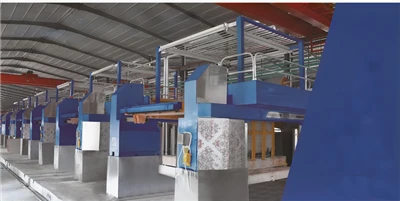
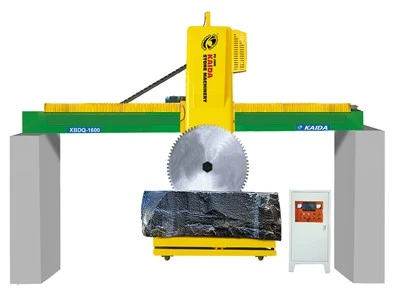
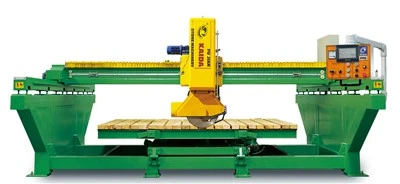
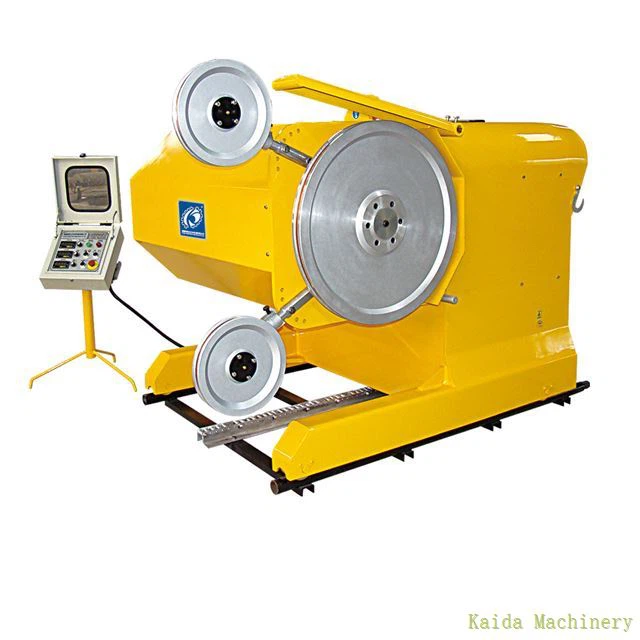
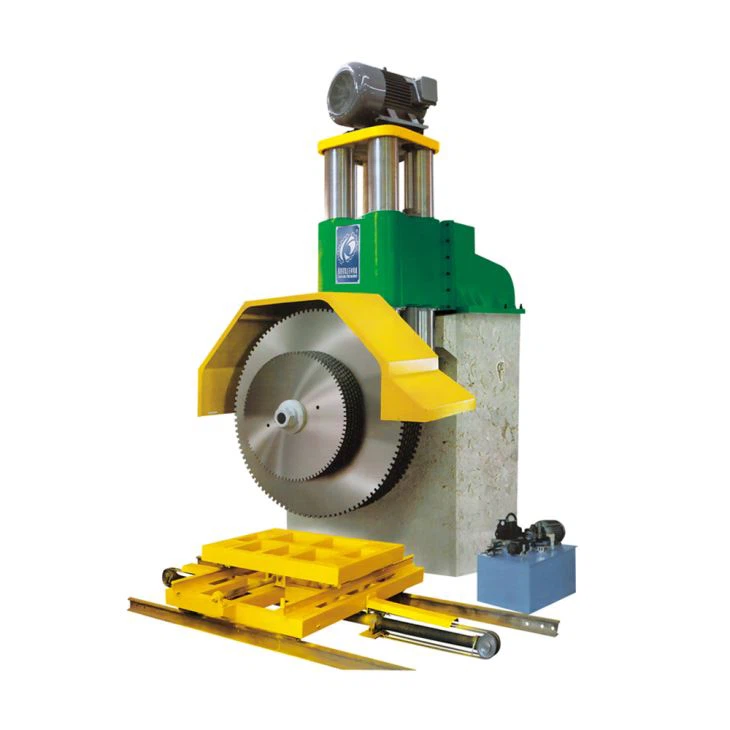
Hey there! As a supplier of polishing machines, I've seen firsthand how important it is to store these valuable pieces of equipment properly. Whether you've got an Automatic Strip Continuous Grinding And Polishing Machine, a Manually Operated Stone Polishing Machine, or the Best Automatic Polishing Machine, the way you store them can make a huge difference in their lifespan and performance. So, let's dive into some tips on how to do it right.
Clean Before Storage
First things first, you gotta clean your polishing machine thoroughly before you put it away. Dust, debris, and polishing residues can build up over time and cause all sorts of problems. For example, they can clog the moving parts, leading to increased wear and tear, or even cause electrical issues if they get into the control panels.
Start by turning off the machine and unplugging it from the power source. This is super important for your safety. Then, use a dry cloth or a soft brush to remove any loose dirt and debris from the surface of the machine. Pay special attention to the areas around the polishing pads, the conveyor belts (if it's an automatic machine), and the control panel.

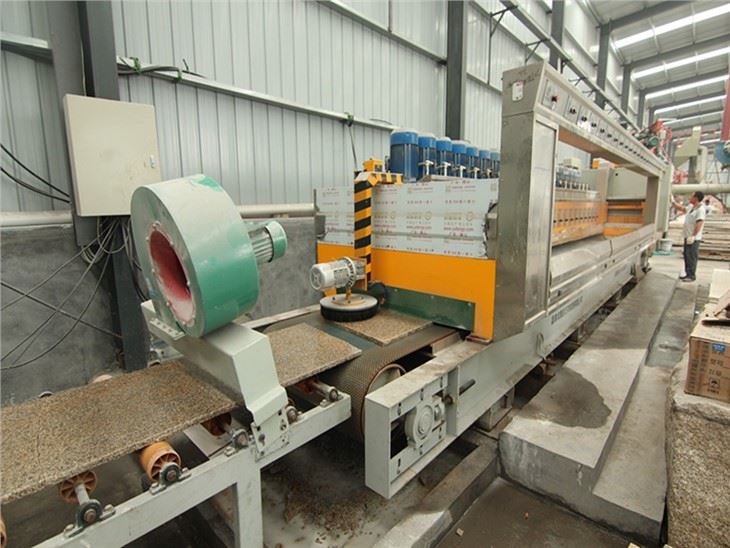
For stubborn stains or residues, you can use a mild cleaning solution. Just make sure it's compatible with the materials of your machine. Avoid using abrasive cleaners or solvents that could damage the finish or the internal components. After cleaning, dry the machine completely to prevent rust and corrosion.
Choose the Right Storage Location
The location where you store your polishing machine matters a lot. You want to find a place that's dry, clean, and well - ventilated. Moisture is the enemy of metal parts, and it can cause rust and corrosion, which will shorten the life of your machine.
If possible, store the machine indoors. A garage or a storage shed can be a good option, as long as it's protected from the elements. If you have to store it outdoors, make sure it's covered with a waterproof tarp. But keep in mind that outdoor storage is not ideal in the long run, as it exposes the machine to more risks.
The storage area should also be free from excessive dust and dirt. If the area is prone to dust, you can use a dust cover to protect the machine. Additionally, make sure the storage location is away from any sources of heat or direct sunlight, as high temperatures can damage the electrical components and the rubber parts of the machine.
Disassemble and Protect Parts
Some polishing machines can be disassembled into smaller parts for easier storage. If your machine allows for this, it's a good idea to take it apart. This not only saves space but also makes it easier to clean and protect the individual components.
For example, you can remove the polishing pads and store them separately. Wrap the pads in a plastic bag or a protective sleeve to prevent them from getting damaged or contaminated. The same goes for any other removable parts, such as the belts, the wheels, or the filters.
When disassembling the machine, make sure to keep track of all the parts and the hardware. You can use a labeled container or a parts organizer to keep everything in order. This will make it much easier to reassemble the machine when you're ready to use it again.
Lubricate Moving Parts
Lubrication is key to keeping the moving parts of your polishing machine in good condition during storage. Over time, the lack of lubrication can cause the parts to seize up or wear out faster.
Before storing the machine, apply a thin layer of lubricant to all the moving parts, such as the bearings, the gears, and the shafts. You can use a high - quality machine oil or a lubricant recommended by the manufacturer. Make sure to follow the instructions on the lubricant product carefully to ensure proper application.
Secure the Machine
Once you've cleaned, disassembled (if applicable), lubricated, and chosen the right storage location for your polishing machine, it's time to secure it. If the machine is large and heavy, you can use straps or chains to keep it in place and prevent it from tipping over.
If you've disassembled the machine, make sure the parts are stored in a way that they won't get knocked around or damaged. You can stack the parts carefully or use shelves to keep them organized.
Regular Inspections
Even when your polishing machine is in storage, it's a good idea to check on it regularly. Set a schedule to inspect the machine at least once every few months. Look for any signs of damage, rust, or corrosion. Check the condition of the lubrication and the tightness of the hardware.
If you notice any issues during the inspection, address them right away. For example, if you see a little bit of rust starting to form, you can use a rust remover to clean it up and then apply a fresh coat of lubricant or a rust - preventive paint.
Why Proper Storage Matters
Proper storage of your polishing machine isn't just about keeping it looking good. It has a direct impact on its performance and lifespan. A machine that's stored correctly will be ready to go when you need it, without any unexpected breakdowns or malfunctions.
It also saves you money in the long run. By preventing damage and wear and tear, you'll avoid costly repairs and replacements. And let's face it, a well - maintained polishing machine is more likely to retain its value if you ever decide to sell it or upgrade to a newer model.
Conclusion
Storing your polishing machine properly is an investment in its future. By following these simple tips, you can ensure that your machine stays in top condition for years to come. Whether you're a small business owner, a DIY enthusiast, or a professional in the industry, taking good care of your polishing machine is essential.
If you're in the market for a new polishing machine or have any questions about storage or maintenance, don't hesitate to reach out. We're here to help you make the best decision and get the most out of your equipment. Let's start a conversation about how we can meet your polishing needs.
References
- General knowledge on machinery storage and maintenance
- Manufacturer's guidelines for various polishing machines