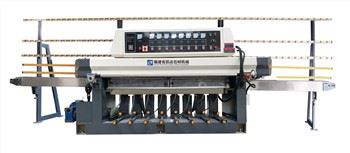
In stone processing, polishing quality depends on more than the abrasive tools and polishing parameters. Machine stability is also an important factor. Excessive vibration during operation can affect surface finish, cause uneven polishing, accelerate component wear, and increase maintenance costs.
Whether you are processing marble slabs, granite surfaces, or other natural stones, understanding machine vibration can help you identify potential problems and maintain consistent production quality.
In this article, we will explain the main causes of vibration in stone polishing machines, how vibration affects the polishing process, and what operators can do to reduce unnecessary vibration.
1. What Is Machine Vibration in Stone Polishing Equipment?
Machine vibration refers to the repeated oscillating movement of machine components during operation. In stone polishing equipment, vibration may occur in the polishing heads, spindle assemblies, transmission systems, worktables, machine frames, or other moving components.
A certain level of mechanical vibration is unavoidable during industrial operation. However, excessive or abnormal vibration may indicate an imbalance, worn component, loose connection, installation problem, or unsuitable operating condition.
For stone polishing applications, excessive vibration can lead to several problems:
- Uneven contact between the abrasive tool and the stone surface.
- Inconsistent polishing results across the workpiece.
- Visible polishing marks or surface defects.
- Accelerated wear of bearings, belts, and other mechanical components.
- Increased noise and reduced operating stability.
- More frequent maintenance and unexpected production interruptions.
For this reason, controlling abnormal vibration is an important part of maintaining a stable stone polishing process.
2. Main Factors That Affect Vibration in Stone Polishing Machines
2.1 Machine Structure and Frame Rigidity
The machine frame provides support for the polishing heads, motors, transmission components, and worktable. Its structural rigidity plays an important role in maintaining stability during operation.
If the frame is insufficiently rigid, poorly installed, or affected by loose connections, vibration may become more noticeable, especially under higher operating loads.
For industrial stone polishing equipment, the frame structure should be designed according to the machine's working dimensions, number of polishing heads, and intended production conditions.
2.2 Polishing Head and Spindle Condition
The polishing head and spindle assembly are important sources of vibration. Because these components rotate during operation, problems such as imbalance, bearing wear, incorrect installation, or damaged components may cause abnormal vibration.
Operators should pay attention to:
- Abnormal noise from the polishing head.
- Unusual movement or shaking during rotation.
- Excessive temperature around the spindle or bearing assembly.
- Loose connections or damaged mounting components.
- Uneven wear of polishing tools.
If abnormal vibration appears suddenly, inspect the polishing head and spindle system before continuing production.
2.3 Abrasive Tools and Polishing Pads
The condition of the abrasive tools also affects polishing stability. Worn, damaged, unevenly installed, or unsuitable polishing tools may cause uneven contact with the stone surface.
For machines using abrasive discs or polishing pads, operators should regularly inspect the tools and replace them when necessary. The replacement interval depends on the abrasive type, stone material, working conditions, and actual wear.
Using the correct abrasive tools and installing them properly can help maintain consistent contact during polishing.
2.4 Transmission Systems and Moving Components
Belts, bearings, guide rails, gears, and other transmission components can contribute to machine vibration if they become worn, loose, misaligned, or improperly lubricated.
For machines with moving polishing heads or worktables, smooth and stable movement is essential. Regular inspection of the transmission system helps identify potential problems before they affect production.
2.5 Installation and Foundation Conditions
Machine installation is another important factor. An uneven foundation, incorrect leveling, loose anchor bolts, or unsuitable installation conditions can affect the stability of the equipment.
Before operating a stone polishing machine, make sure it has been installed according to the manufacturer's requirements. Check the machine's level and foundation conditions, especially after transportation, relocation, or major maintenance work.
3. How Different Stone Polishing Machines Are Affected by Vibration
Different polishing machines have different structures and working principles. Therefore, the sources and effects of vibration can vary depending on the equipment configuration.
3.1 Automatic Stone Slab Polishing Machines
Automatic stone slab polishing machines are designed for processing stone slabs through a continuous polishing process, depending on the machine configuration.
In multi-head polishing equipment, the condition of each polishing head is important. Uneven tool wear, spindle problems, or unstable mechanical movement may affect the consistency of the polished surface.
When inspecting this type of machine, operators should pay attention to polishing head rotation, abrasive tool condition, transmission movement, and the stability of the workpiece during processing.
3.2 CNC Automatic Stone Polishing Machines
CNC automatic stone polishing machines use a control system to manage programmed machine movements and processing operations.
For this type of equipment, vibration may come from rotating components, moving axes, transmission systems, or contact between the polishing tool and the stone surface.
Regular inspection of the mechanical components, drive system, polishing tools, and machine alignment is important for maintaining stable operation.
3.3 Multi-Head Stone Polishing Machines
Multi-head polishing machines use several polishing heads to process stone surfaces. Their production efficiency depends on the coordination of the machine's mechanical structure, polishing heads, and workpiece movement.
If one polishing head has an unbalanced tool, worn bearing, or damaged component, it may create abnormal vibration that affects the local processing result.
Operators should inspect each polishing head individually rather than assuming that vibration comes from the entire machine.
3.4 Edge Polishing Machines
Stone edge polishing machines use rotating abrasive tools to process the edges of stone workpieces. Vibration may affect the contact between the abrasive tool and the workpiece, resulting in uneven edge finishing.
When checking an edge polishing machine, pay attention to tool installation, spindle condition, workpiece positioning, and the stability of the feeding mechanism.
4. How Does Excessive Vibration Affect Polishing Quality?
Excessive vibration can influence both the appearance of the finished stone and the long-term condition of the machine.
4.1 Uneven Surface Finish
If the polishing head does not maintain stable contact with the stone surface, the abrasive action may become inconsistent. This can result in uneven polishing or visible surface marks.
4.2 Inconsistent Gloss
Inconsistent tool contact, abrasive wear, and unstable operating conditions can affect the uniformity of the polished finish. If the polishing process is not properly controlled, different areas of the slab may show different surface appearances.
4.3 Increased Mechanical Wear
Abnormal vibration places additional dynamic loads on machine components. Over time, this may accelerate wear in bearings, belts, fasteners, transmission components, and other mechanical parts.
4.4 Higher Maintenance Costs
When vibration-related problems are not identified early, small mechanical issues may develop into more serious failures. Regular inspection can help reduce unexpected downtime and unnecessary repair costs.
5. How to Reduce Excessive Vibration in Stone Polishing Machines
When abnormal vibration occurs, operators should first identify its source rather than immediately changing the processing speed or applying additional pressure.
5.1 Check Fasteners and Machine Connections
Inspect the mounting bolts, machine connections, polishing head assemblies, and other accessible fasteners. Loose connections may cause abnormal movement during operation.
Any tightening or adjustment should follow the manufacturer's instructions and be carried out with the machine safely isolated.
5.2 Inspect Polishing Tools
Check whether the abrasive discs or polishing pads are correctly installed, evenly worn, and suitable for the material being processed.
Replace damaged or excessively worn tools. Do not continue operating with tools that show signs of damage or abnormal movement.
5.3 Inspect Bearings and Transmission Components
Unusual noise, heat, or movement may indicate problems with bearings, belts, gears, or other transmission components.
Check these components according to the machine maintenance schedule. If a bearing or transmission component is damaged, arrange proper inspection and replacement.
5.4 Check Machine Leveling and Foundation
If vibration occurs after installation or relocation, check the machine's leveling and foundation conditions. Incorrect installation may cause instability during operation.
5.5 Review Operating Parameters
Polishing speed, feed rate, abrasive selection, and processing pressure should be appropriate for the stone material and machine configuration.
Do not increase or decrease operating speed randomly to solve a vibration problem. First determine whether the vibration is caused by mechanical wear, tool imbalance, installation conditions, or unsuitable processing parameters.
5.6 Follow a Regular Maintenance Schedule
Preventive maintenance is one of the most effective ways to maintain stable machine operation.
Depending on the machine model and working conditions, routine maintenance may include:
- Cleaning the machine and removing accumulated stone dust or slurry.
- Checking lubrication points and lubrication conditions.
- Inspecting polishing tools and spindle assemblies.
- Checking belts, bearings, and transmission components.
- Inspecting electrical and hydraulic components where applicable.
- Checking machine alignment and movement when necessary.
Always follow the maintenance instructions provided by the machine manufacturer.
6. Common Mistakes When Dealing with Machine Vibration
Some vibration-related problems become worse because operators overlook basic inspection and maintenance procedures.
Here are several common mistakes to avoid:
- Ignoring abnormal noise: Unusual noise may be an early indication of a problem with the spindle, bearing, or transmission system.
- Continuing to use damaged abrasive tools: Worn or incorrectly installed tools can affect polishing stability.
- Changing operating speed without checking the machine: Adjusting parameters without identifying the cause may not solve the problem.
- Ignoring installation conditions: An uneven foundation or loose mounting points can affect machine stability.
- Skipping preventive maintenance: Regular inspection helps identify wear and potential faults before they cause production interruptions.
7. Conclusion
Machine vibration is an important factor in stone polishing operations. While some vibration is a normal part of mechanical operation, excessive or abnormal vibration should never be ignored.
Machine frame rigidity, spindle condition, abrasive tool installation, transmission components, foundation conditions, and operating parameters all influence the stability of stone polishing equipment.
By selecting suitable machinery, using appropriate abrasive tools, and following regular maintenance procedures, stone processing factories can maintain more consistent polishing results and reduce unnecessary equipment wear.
At Kaida Stone Machinery, we manufacture stone processing equipment for different production applications. If you are selecting a polishing machine or experiencing operational problems with your existing equipment, you are welcome to contact our team. Share your stone material, workpiece dimensions, processing requirements, and machine model so we can better understand your application.


Choosing suitable equipment and maintaining it properly are both essential for stable stone processing. Pay attention to abnormal vibration, identify problems early, and keep your polishing operation running smoothly.