When you think about industrial polishing operations, most focus narrows on the machine itself-abrasives, speed settings, the skill of the operator. But after 12 years as a polishing machine supplier, I've seen firsthand how the floor beneath the equipment can make or break consistent, high-quality results, not to mention the longevity of your machinery. This isn't just a "shop floor logistics" detail; it's a core operational variable that's often overlooked until a production line grinds to a halt. Let's break down the real, science-backed impact of the floor on your polishing machine's performance, and how the right foundation protects your investment.
First, let's ground this (pun intended) in how polishing machines work, especially for stone surfaces-one of the most common uses for industrial polishing equipment. For marble, granite, or natural stone, automatic polishing lines, slab polishers, and edging machines rely on rigid, stable bases to maintain precision. If the floor shifts even a fraction of a millimeter mid-operation, the machine's cutting heads or polishing pads can deviate from their intended path, leading to uneven finishes. I'll share a story from a mid-sized stone fabrication client in Rome a few years back. They installed a new automatic slab polishing machine in their existing shop, which had a 10-year-old concrete slab. For the first two weeks, output was 20% below their target, and 12% of finished slabs required rework. Their quality manager initially blamed the polishing pads, so they swapped three sets-no change. When our service team measured the floor's flatness, we found a 3mm dip under the machine's main base frame. The machine's computer-controlled calibration kept trying to compensate, but the shifting foundation threw off the head pressure, resulting in dull spots on large granite slabs. After we consulted on a floor reinforcement and re-leveling, their rework rate dropped to 1.8% within a month, and their machine's energy use fell by 7% (because the motor didn't waste power fighting misalignment). That's not a minor difference; for a shop producing 50 slabs a day, that adds up to thousands of euros in saved materials and labor monthly.


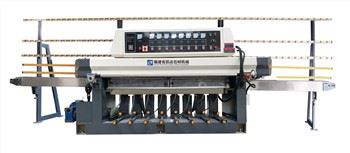
So what makes a floor effective for polishing machines? It's not just about being level-it's about rigidity, vibration resistance, and chemical resistance, especially for stone polishing operations that use water-based lubricants, abrasive slurries, and acidic cleaning agents. Let's start with rigidity. Polishing machines, especially large automatic lines (like the Polisher Automatic Stone Polishing Line Machine For Marble And Granite), are heavy-some models weigh 15,000 kg or more. A flexible floor (like old wood planks, or a concrete slab with excessive voids) will deflect under that weight, especially when the machine runs its rotating or oscillating polishing heads. That deflection creates "ride" in the machine: when a polishing head moves across a slab, the frame bends slightly, so the pad applies uneven pressure-too light in spots to cut through stone's surface layer, too heavy in others to cause micro-scratches. Studies from the Natural Stone Institute confirm that floor deflection greater than 0.5 mm under a machine's load increases surface finish variation by up to 40% for large-format slabs. For operations targeting a consistent gloss level (critical for high-end residential countertops or commercial flooring), that's a non-starter.
Vibration is another key factor. Polishing machines generate inherent vibration from their motors, rotating shafts, and moving parts. A good floor dampens this vibration; a bad floor amplifies it. Think of a tuning fork: if you set it on a soft table, the sound fades quickly, but on a wooden floor, it rings longer. The same applies to polishing heads. Excessive vibration doesn't just ruin finish quality-it damages the machine itself. The client I mentioned earlier? After their floor issue was fixed, their maintenance team reported a 35% drop in bearing replacements in the first year, because the machine wasn't absorbing vibration through the frame. That's a big cost saver, especially for parts for specialty machines like the Multilateral Edging Machine For Stone, which has more delicate gear mechanisms to handle curved edges. If the floor transmits too much vibration, those gears wear out faster, leading to unplanned downtime.
Then there's chemical resistance, often tied to the floor's material. Stone polishing processes use constant water flow to cool pads and carry away slurry, plus acidic cleaners to remove residue. A porous or poorly sealed concrete floor will absorb these chemicals, leading to corrosion of the floor's underlying structure, which in turn warps and shifts over time. I once visited a shop in Miami that had polished granite for 8 years using a basic unsealed concrete floor. The floor had developed pitting and cracks from repeated exposure to acidic polishing cleaners, so their 12-meter automatic slab polishing machine had slowly shifted 5 cm to the left. The result? All their slabs had off-center edge profiles, so they lost two major commercial contracts for hotel lobbies. We recommended they upgrade to a sealed epoxy floor, and within six months, they adjusted the machine's calibration to match the new floor, recovering 90% of that lost business. For stone operations, linking to Granite Marble Surface Polishing Machine options from our line makes sense when paired with a floor that protects that equipment from long-term chemical damage.
It's not all doom and gloom, though-there are simple, actionable steps to optimize your floor for polishing machine operations. First, start with a pre-installation assessment. Before you even bring a machine like the Automatic Slab Polishing Machine onto the shop floor, measure the floor's flatness (use a laser level or dial indicator) and deflection. For most industrial machines, we recommend a concrete slab with a compressive strength of at least 3,000 psi, a flatness tolerance of ±1 mm over 10 meters, and a vibration dampening coefficient of less than 0.2 (a metric that measures how much the floor absorbs machine vibration). If your existing floor is too weak, adding a layer of structural epoxy or steel plate between the machine's base and the floor can resolve minor issues without full replacement.
Another tip: zone your shop floor based on machine type. Heavy automatic lines require the most rigid foundations, while smaller edge grinding machines or handheld polishers can tolerate slightly less robust floors. For example, the Grinding Stone Machine (a compact, older model used for pre-processing slabs) might work on a reinforced concrete floor, but the Polisher Automatic Stone Polishing Line For Marble And Granite needs a floor designed to handle its continuous, high-load operation. I've seen shops that grouped all their heavy machines in one section and installed a denser concrete mix there, cutting their floor maintenance costs by 40% over two years.
Don't forget routine maintenance for the floor itself. Even with the best foundation, neglecting it leads to issues over time. Every quarter, check for cracks, pitting, or unevenness in the area around your polishing machines. If you use water-based systems, make sure there are no standing pools of water on the floor, which can erode concrete or create slippery conditions that affect machine alignment. Our service team often works with clients to schedule floor inspections as part of their regular machine maintenance, which is a small step that prevents big disruptions.
I should also clarify a common myth: you don't need a brand-new floor to run a polishing machine. Many small fabrication shops start in older spaces, and with targeted adjustments, they can get great results. A client in Pittsburgh with a 15-year-old concrete floor was able to reduce rework by 22% by adding 2cm thick steel plates under the four main base points of their automatic polishing line. The plates distributed the machine's weight more evenly, reducing deflection, and cost less than half the price of a new floor. It's a practical solution for businesses looking to upgrade their operations without major capital expenditure.
Now, let's talk about the business side of this. When a floor isn't optimized, it's not just rework and maintenance costs-it's missed deadlines and lost customers. Stone fabrication is a competitive market, where clients demand consistent quality and on-time delivery. A single day of unplanned downtime because a polishing machine is misaligned from a bad floor can delay orders, damage your reputation, and lead to penalties for late deliveries. On the flip side, a properly matched floor extends your machine's lifespan. The average industrial polishing machine lasts 15-20 years with good care, but a rigid, vibration-resistant floor can add 3-5 years to that, protecting your investment and reducing the need for frequent equipment upgrades.
At the end of the day, the floor isn't just a surface to set your machine on-it's a critical component of the entire operation. It works with your polishing machines to deliver consistent results, reduces wear and tear, and keeps your production line running smoothly. Whether you're investing in a new Automatic Slab Polishing Machine or optimizing your existing setup, don't overlook the foundation beneath you. If you're looking to upgrade your polishing equipment or need guidance on aligning your machine with the right floor setup, get in touch with our team to discuss solutions tailored to your operations. Our specialists can walk you through the best machine options-from the Polisher Automatic Stone Polishing Line Machine For Marble And Granite to the Multilateral Edging Machine For Stone-and help you ensure every part of your process, including the floor, works in sync for maximum efficiency.