What Is the Cutting Power Consumption of a Diamond Wire Saw?
1. Fundamental Concepts of Cutting Power Consumption
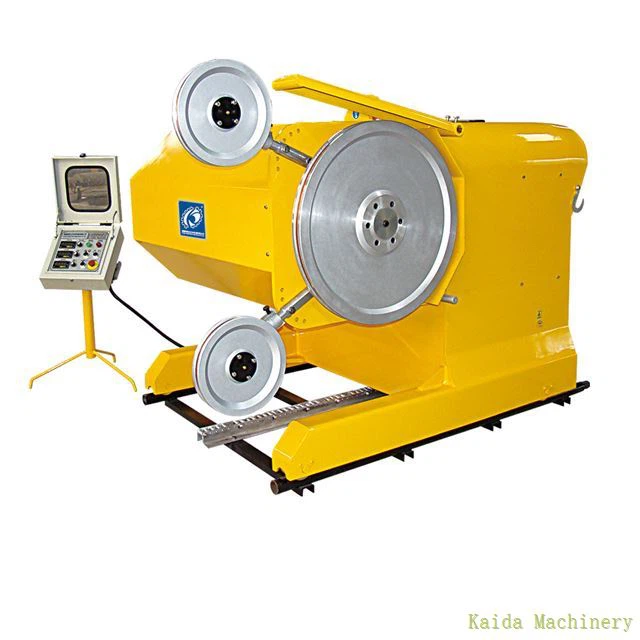
Before we explore the detailed analysis, it's essential to understand what cutting power consumption means. In the context of a diamond wire saw, cutting power consumption refers to the electrical energy required by a diamond wire saw during the cutting process, mainly used to overcome mechanical resistance and maintain stable wire movement. It is directly related to the work done in slicing through various materials, such as granite, marble, and other hard stones.
The power consumption of a diamond wire saw is influenced by several factors. First and foremost, the nature of the material being cut plays a significant role. Harder materials, like granite, require more energy to cut compared to softer materials. The hardness of stone is often measured on the Mohs scale. Granite generally has a Mohs hardness of approximately 6–7, which directly increases cutting resistance and power demand.
The cutting speed is another crucial factor. A faster cutting speed generally requires more power. When the diamond wire saw operates at a high - speed setting, the wire needs to overcome the resistance of the material more quickly, which means more energy is consumed.
The tension of the diamond wire also affects power consumption. If the tension is too low, the wire may not cut effectively, and the saw may need to work harder to achieve the desired cut. On the other hand, excessive tension can cause premature wear of the wire and also increase power consumption.
2. Measuring Cutting Power Consumption
To accurately analyze the cutting power consumption of a diamond wire saw, we need reliable measuring methods. One common approach is to use power meters. These devices can be installed in the electrical circuit of the saw to measure the real - time power consumption. By recording the power data over a specific cutting period, we can calculate the total energy consumed.
We can also conduct tests under controlled conditions. For example, we can set a standard cutting scenario, such as cutting a specific size of granite block at a constant speed. By repeating this test multiple times and measuring the power consumption each time, we can obtain an average value that represents the typical power usage for that particular cutting task.
Another method involves using numerical simulation and process modeling software are increasingly used in advanced operations. These programs can model the cutting process of the diamond wire saw based on different parameters, such as material properties, cutting speed, and wire tension. By inputting these variables, we can predict the power consumption before actual cutting, which is very useful for planning and optimizing operations.
3. Impact of Power Consumption on Operational Costs
High cutting power consumption can significantly increase the operational costs for users. Electricity is often a major expense in stone - cutting operations. For a business that relies heavily on diamond wire saws for large - scale stone cutting, even a small increase in power consumption can translate into substantial additional costs over time.
Let's take a hypothetical example. Suppose a stone - processing factory uses a diamond wire saw to cut granite blocks for 8 hours a day, 25 days a month. If the power consumption is increased by just 1 kilowatt - hour per hour of operation due to inefficient settings or tool wear, in a month, the factory will consume an additional 200 kilowatt - hours of electricity. At an average electricity rate of $0.15 per kilowatt - hour, this amounts to an extra monthly cost of $30. Over a year, the additional expense would be $360.
Therefore, understanding and optimizing cutting power consumption is crucial for businesses to remain competitive in the market. By reducing power consumption, they can lower their production costs and increase their profit margins.
4. Strategies to Reduce Cutting Power Consumption
As a Diamond Wire Saw supplier, we are committed to helping our customers reduce cutting power consumption. One of the key strategies is to select the right diamond wire for the specific material. Different types of diamond wires are designed for different cutting applications. For example, a wire with a higher diamond concentration may be more suitable for cutting hard granite, while a wire with a lower concentration may work well for softer materials. Using the appropriate wire can improve cutting efficiency and reduce power consumption.
Proper maintenance of the diamond wire saw is also essential. Regularly checking and adjusting the wire tension, cleaning the saw components, and replacing worn - out parts can ensure that the saw operates at its optimal efficiency. A well - maintained saw will require less power to perform the same cutting task.


In addition, optimizing the cutting parameters is crucial. This includes adjusting the cutting speed, feed rate, and depth of cut. By finding the right combination of these parameters, we can achieve the best balance between cutting efficiency and power consumption. For example, reducing the cutting speed slightly while increasing the feed rate may result in a more energy - efficient cutting process for certain materials.
5. Comparison with Other Stone - Cutting Machines
When considering cutting power consumption, it's interesting to compare the diamond wire saw with other stone - cutting machines, such as the Granite Block Saw Machine and the 5 Axis CNC Waterjet Machine.
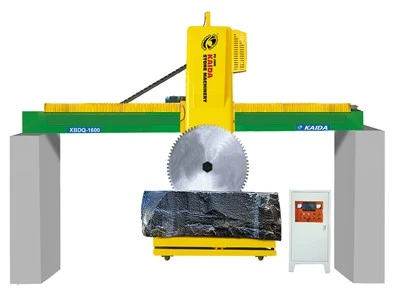
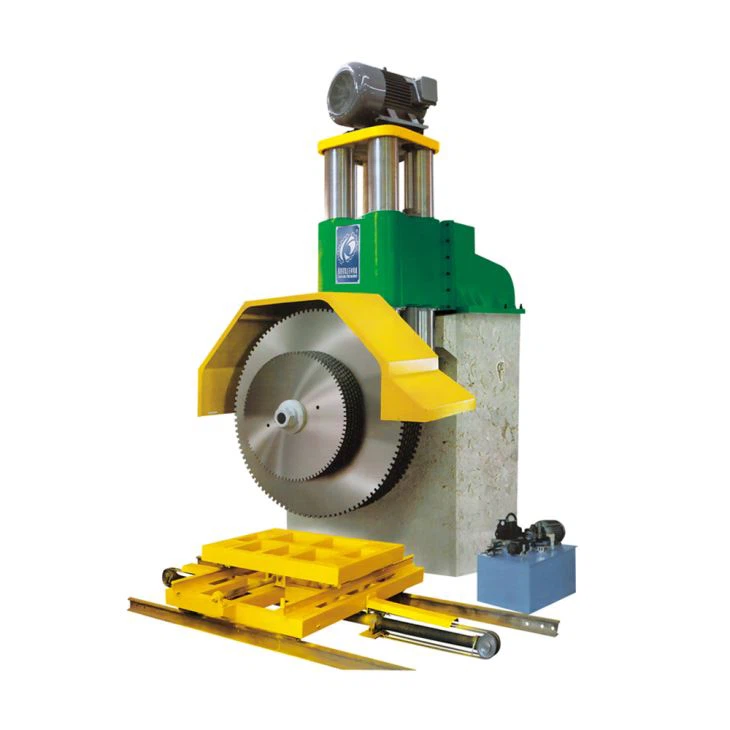
The Granite Block Saw Machine typically uses a circular blade to cut through granite blocks. While it can be effective for large - scale cutting, it generally consumes more power compared to a diamond wire saw. The circular blade needs to rotate at a high speed to cut through the hard material, which requires a significant amount of energy.
The 5 Axis CNC Waterjet Machine uses a high - pressure waterjet mixed with abrasive particles to cut stones. Although it offers high precision and can cut various materials, its power consumption is also relatively high. The water pump needs to generate a very high pressure to create the cutting jet, which consumes a large amount of electricity.
In contrast, the diamond wire saw is more energy - efficient in many cutting scenarios. The wire moves in a continuous loop, and the cutting action is more targeted, resulting in less wasted energy.
6. The Role of Polishing in the Overall Process
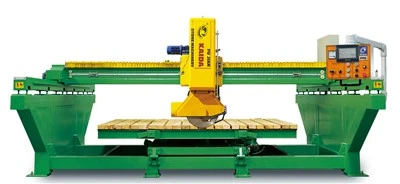
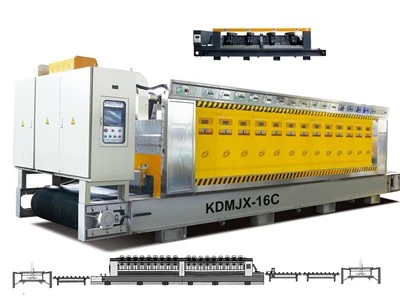
After the cutting process, stone materials often need to be polished using a Marble Granite Stone Polishing Machine. While this is a separate step from cutting, the power consumption in the entire stone - processing workflow is interrelated.
A well - cut stone with smooth surfaces due to efficient diamond wire saw cutting may require less polishing work. This means that the Marble Granite Stone Polishing Machine can operate more efficiently and consume less power. Therefore, optimizing the cutting power consumption of the diamond wire saw can have a positive impact on the overall power consumption and cost of the stone - processing operation.
Conclusion
In summary, the cutting power - consumption analysis of a diamond wire saw is a multi - faceted aspect that involves understanding the influencing factors, measuring the consumption accurately, and taking steps to optimize it. As a Diamond Wire Saw supplier, we are dedicated to providing high - quality products and technical support to help our customers achieve the best cutting performance with minimal power consumption.
If you are interested in learning more about our diamond wire saws or discussing how to optimize cutting power consumption in your stone - processing operations, please feel free to contact us. We are committed to providing reliable equipment and technical support and find the most suitable solutions for your needs.
References
- Smith, J. (2018). Stone Cutting Technology: Advancements in Efficiency. Journal of Stone Processing, 15(2), 45 - 56.
- Johnson, A. and Brown, B. (2019). Energy - Efficient Stone Cutting Equipment. International Journal of Mining and Materials Engineering, 22(3), 78 - 90.
- Williams, C. (2020). The Role of Diamond Wires in Modern Stone Cutting. Proceedings of the World Stone Industry Conference, 89 - 95.