In a stone processing factory, production efficiency is not determined by a single machine.
A workshop may have advanced cutting equipment, experienced operators, and reliable raw materials, but production delays can still occur if different processes are not well connected.
As stone manufacturers handle more customized orders and shorter delivery schedules, many factories are paying closer attention to how equipment selection and production planning affect daily operations.
Production Bottlenecks Often Appear Between Processes
When discussing factory efficiency, attention is often focused on machine speed.
However, many production problems happen between different stages of processing.
For example, a cutting machine may complete its work quickly, but the next process may not have enough capacity to handle the output. Similarly, poor material movement inside the workshop can create unnecessary waiting time.
Common bottlenecks include:
Delays in material handling
Long preparation time before cutting
Imbalanced production capacity between machines
Frequent manual adjustments
Limited space for finished products
Identifying these issues is often the first step toward improving overall efficiency.

Equipment Selection Should Match Production Flow
A common mistake during equipment investment is choosing machines based only on individual specifications.
A machine with higher capacity does not always improve the entire production process if it does not match other workshop operations.
Before upgrading equipment, factories usually need to consider:
Types of stone materials being processed
Daily production requirements
Product dimensions
Available workshop space
Connection between different processing stages
The best equipment solution is usually the one that fits the factory's complete workflow.
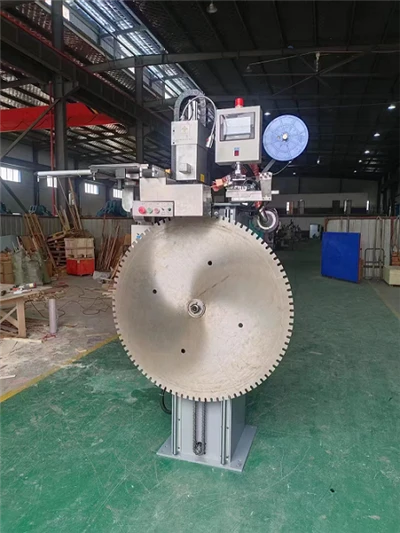
Large Projects Require Better Production Coordination
For factories supplying hotels, commercial buildings, and architectural projects, production planning becomes even more important.
These projects often involve multiple stone components with different dimensions and finishing requirements.
A delay in one processing stage may affect the entire delivery schedule.
Reliable equipment helps maintain production stability, but effective coordination between machines, operators, and material management is equally important.

Automation Helps Reduce Repetitive Work
Many stone factories are introducing more automated functions into their production processes.
The purpose is not simply to replace manual work. Instead, automation helps reduce repeated adjustments and allows operators to focus on more important production decisions.
Digital control systems, automatic positioning, and programmed processing can improve consistency when handling repeated or customized orders.
However, successful implementation still depends on proper equipment selection, operator training, and workshop management.
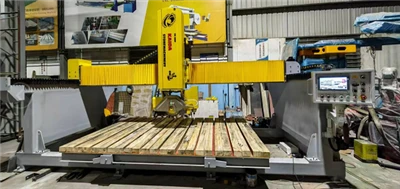
A Customer Case: Improving Workflow for Growing Production Demand
A stone processing customer from overseas experienced increasing order volumes but found that the existing production process was becoming difficult to manage.
The factory had sufficient market demand but faced challenges caused by limited processing efficiency and uneven workflow between different production stages.
After communicating with the customer about material types, product requirements, and workshop conditions, KAIDA provided equipment recommendations based on the actual production situation.
The customer improved production organization by upgrading key processing equipment and adjusting workflow planning. As a result, the factory was able to handle more orders while maintaining stable product quality.
This case shows that production improvement is not only about purchasing larger machines. It is about creating a better connection between equipment and daily operations.

KAIDA's Experience in Supporting Stone Processors
Based in Shuitou, Fujian, Fujian Kaida Stone Machinery has more than 20 years of experience in stone machinery manufacturing.
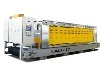
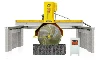
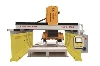
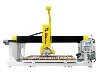
KAIDA supplies bridge cutting machines, block cutting machines, profile machines, CNC-related equipment, and supporting systems for stone processors in different markets.
Through cooperation with customers worldwide, KAIDA focuses on understanding actual production challenges and providing equipment solutions that fit different factory environments.

Improving Efficiency Starts with Better Planning
For modern stone manufacturers, improving productivity is not only about increasing machine speed.
A well-planned production system combines suitable equipment, efficient workflow, skilled operators, and proper maintenance.
As the stone industry continues to develop, factories that understand their production bottlenecks and make targeted improvements will be better prepared for changing market requirements.