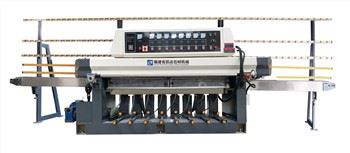
If you're running a stone fabrication or countertop business, you know bridge cutting machines are the backbone of your work-no way around it. But let's be real, those workhorses can drain your budget fast if you're not careful with maintenance. I've been in the bridge cutting machine supplier game for years, and I've seen small shop owners and big fabrication plants alike throw cash at avoidable repairs just because they skipped simple, consistent upkeep. The good news? Cutting maintenance costs doesn't mean cutting corners on your machine's performance or lifespan. It's all about smart, proactive habits-not just fixing things after they break.
First off, let's talk about the biggest culprit of unexpected repairs on bridge cutters: neglecting your cutting tools and blades. Yeah, blades are expensive, but running a dull one isn't just a slow workday-it's a disaster for your machine's parts too. A dull blade forces the motor to work way harder than it should, which wears down the spindle, belts, and even the frame over time. We often get asked, "How long should a bridge cutter blade last?" and the answer isn't just a number-it's how often you maintain it, what material you're cutting, and how you store it.
Here's a quick pro tip: never let a blade run past its point of diminishing return. If you notice it's leaving rough edges instead of clean cuts, or you hear the motor straining when you start a cut, swap it out before it damages the blade's bond or your machine's components. Also, always use the right blade for the job-don't use a granite blade on quartz or vice versa. Mixing blade and material isn't just bad for the cut quality; it's a silent killer of both blades and your machine's internal parts. If you're in the market for reliable, purpose-built options, check out our Cutter Saw Stone Machine lineup-we design every cutter to pair perfectly with the blades that cut down on your maintenance headaches, not cause them.
Next up: keeping your machine clean sounds like a no-brainer, but you'd be shocked how many operators skip this until it's too late. Stone work produces a ton of fine dust, and that dust is basically a grinder working against your machine's moving parts. It gets into linear guides, ball screws, bearings, and even the control panel, causing friction, jams, and premature wear. I've seen a bridge cutter's linear guides seize up completely because no one wiped them down for a month-cost the owner thousands in repairs and a week of downtime.
So, make cleaning non-negotiable. We recommend a quick 10-minute wipe-down at the end of every workday: use a stiff brush to sweep loose dust off the worktable, guides, and cover panels, then a damp (not soaking wet) cloth to wipe down critical moving parts. For deeper cleans, do a full deep clean once a week-use compressed air (on low setting, so you don't blow dust into control boxes) to get into tight crevices. And don't forget the coolant system! If your machine uses a saw with water coolant, change it every 2-4 weeks, and clean the reservoir to get rid of stone slurry buildup. Slurry in coolant reduces its effectiveness, leading to overheating blades and strained motor parts. If you need a machine that's built with easy-to-clean components from the start, our Kaida Infrared Bridge Cutting Machine has sealed guides and a filtered coolant system that cuts down on cleanup time and dust-related wear.
Then there's the "set-it-and-forget-it" mistake with routine lubrication. Moving parts need lubrication to glide smoothly, and skipping lubrication is like driving a car with no oil-eventually, you'll seize up. But here's the thing: not all lubricants are the same, and over-lubricating is just as bad as under-lubricating. Too much grease will trap dust, making it a gritty paste that grinds parts down, while too little leads to metal-on-metal friction.
We share a lubrication schedule with every machine we sell, and it's simple: every 50 working hours, lubricate linear guides and ball screws with a high-quality, machine-specific grease. Every 100 hours, check the spindle's lubrication (if it's a sealed spindle, you might only need to top it off once a year, but always confirm with your manual). For belt-driven machines, check belt tension every month-loose belts slip, making the motor work harder, while over-tightened belts strain the spindle bearings. A quick test: press on the middle of a loose belt, it should give about ½ an inch. Too tight or too loose? Adjust it and save yourself from belt or bearing replacements. If you're looking for a machine that minimizes lubrication needs without sacrificing performance, our 5-Axis CNC Machining Center comes with pre-lubricated sealed bearings that only need occasional top-ups, so less maintenance for you.

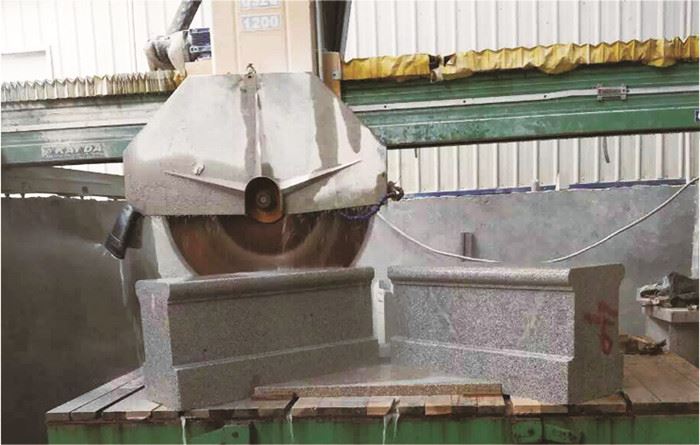
Another big one: operator training. I can't tell you how many times we've fixed a machine that's damaged because an operator didn't know the basics-like forcing a cut that's too deep, or not securing the workpiece properly. New operators often rush through setups, leading to uneven cuts that throw the machine's alignment off, which then causes more strain on parts. Proper training isn't just about getting clean cuts-it's about protecting your investment.
We offer free operator training for all our customers, because we know that a well-trained operator = a longer-lasting machine. Things like never forcing a feed rate beyond what the blade and machine can handle, waiting for the blade to reach full speed before starting a cut, and turning off the machine before making any adjustments or clearing debris. Even small mistakes, like lifting the blade before it stops spinning, can damage the blade hub or motor over time. For shops that take on custom or complex jobs, our 5-Axis Bridge Integrated CNC Cutting Machine comes with intuitive controls that guide operators through setup, reducing human error and maintenance from avoidable mistakes.
Don't sleep on alignment checks, either. Even with the best care, parts shift over time from heavy work and constant movement. Misalignment leads to uneven cuts, increased friction on moving parts, and premature wear on blades. We recommend checking alignment every 3 months, or after moving the machine to a new location. You don't need a fancy tool-most alignment checks can be done with a straight edge and a level. If you notice that cuts are off by even a small amount, or the machine's moving parts are making unusual noise, that's your sign to check alignment. Catching it early is way cheaper than fixing a spindle that's worn out from being out of alignment.
Now, let's talk about small, daily checks that add up to big savings. Every morning before starting work, take 2 minutes to do a quick walkaround: check for loose bolts on the frame or table, make sure coolant levels are good, and listen for any unusual noises (grinding, squeaking, or straining sounds). Those small signs are often the first red flags of a bigger problem. For example, a slight grinding noise from the linear guides might just mean a quick lubrication, but ignoring it could lead to a full guide replacement. Also, keep a maintenance log-write down when you changed blades, lubricated parts, or had any small repairs. Over time, you'll spot patterns (like your blades wearing faster in hot weather) and adjust your routine accordingly.
And if you're working with tile, don't make the mistake of using a heavy-duty stone bridge cutter for every tile job. That's a quick way to wear out parts and waste energy. We have a line of specialized machines too, like the Tile Saw 45 Degree Cut, which is designed for tile and smaller materials. Using the right tool for the job not only gives cleaner cuts but also reduces unnecessary stress on your main bridge cutter, so it lasts longer and needs fewer repairs.
At the end of the day, reducing maintenance costs on a bridge cutting machine isn't about skipping care-it's about being smart and consistent. It's small habits: cleaning daily, lubricating on schedule, training your operators, checking alignment, and using the right tools for the job. All of these add up to less unexpected repairs, fewer part replacements, and longer machine lifespan. If you're in the market for a new bridge cutter that's built with maintenance in mind, or want to talk about your current machine's needs, reach out. We're here to help you keep your business running smoothly without breaking the bank on avoidable costs.