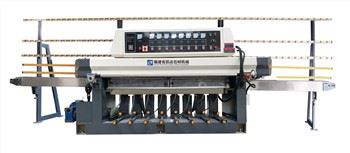
What is the power source of a block cutting machine?
As a supplier of block cutting machines, I've been frequently asked about the power sources that drive these essential pieces of equipment. The power source of a block cutting machine is a critical factor that determines its performance, efficiency, and suitability for different applications. In this blog, I'll delve into the various power sources available for block cutting machines, their advantages and disadvantages, and how they influence the machine's operation.
Electric Power
One of the most common power sources for block cutting machines is electricity. Electric-powered block cutting machines are renowned for their reliability, precision, and ease of use. They are typically chosen for indoor applications or environments where the use of other power sources may be restricted.
Advantages
- Clean and Quiet: Electric block cutting machines produce minimal noise and emissions, making them suitable for use in enclosed spaces such as workshops or factories. They do not require the storage and handling of fuel, which reduces the risk of spills and environmental pollution.
- Precise Control: Electric motors offer precise speed and torque control, allowing operators to cut blocks with high accuracy. This is particularly important for applications that require intricate cuts or precise dimensions.
- Low Maintenance: Compared to other power sources, electric motors have fewer moving parts, resulting in lower maintenance requirements. They do not need oil changes, fuel filters, or spark plug replacements, reducing downtime and operating costs.
Disadvantages
- Limited Mobility: Electric block cutting machines need to be connected to a power source, which limits their mobility. This can be a drawback for applications that require the machine to be moved frequently or used in remote locations without access to electricity.
- Power Outages: In the event of a power outage, electric block cutting machines cannot operate. This can lead to delays in production and increased downtime.
Hydraulic Power
Hydraulic power is another popular choice for block cutting machines, especially those used in heavy-duty applications. Hydraulic systems use pressurized fluid to transmit power and drive the cutting mechanism.
Advantages
- High Power and Torque: Hydraulic systems can generate high levels of power and torque, making them suitable for cutting through hard materials such as granite and marble. They can handle large blocks and perform heavy-duty cutting tasks with ease.
- Variable Speed Control: Hydraulic systems allow for variable speed control, enabling operators to adjust the cutting speed according to the material being cut. This provides greater flexibility and precision in the cutting process.
- Durability: Hydraulic components are designed to withstand high pressures and heavy loads, making them highly durable. They are less prone to wear and tear, reducing the need for frequent maintenance.
Disadvantages
- Complexity: Hydraulic systems are more complex than electric systems, requiring specialized knowledge and skills for installation, operation, and maintenance. They also require regular fluid checks and replacements to ensure proper functioning.
- Leakage Risks: Hydraulic systems use pressurized fluid, which poses a risk of leakage. Leaks can not only result in the loss of hydraulic fluid but also contaminate the work area and damage the machine.
Diesel Power
Diesel-powered block cutting machines are commonly used in outdoor applications or areas where access to electricity is limited. Diesel engines offer high power output and are known for their durability and reliability.
Advantages
- High Mobility: Diesel-powered block cutting machines are self-contained units that do not require a power source, making them highly mobile. They can be easily transported to different job sites and used in remote locations.
- Powerful Performance: Diesel engines provide high torque and power, allowing them to cut through tough materials quickly and efficiently. They are suitable for heavy-duty cutting applications and can handle large blocks with ease.
- Fuel Availability: Diesel fuel is widely available, making it convenient for operators to refuel the machine when needed. This reduces the risk of downtime due to fuel shortages.
Disadvantages
- Noise and Emissions: Diesel engines generate more noise and emissions compared to electric or hydraulic power sources. This can be a concern in areas where noise pollution or environmental regulations are strict.
- Higher Maintenance: Diesel engines require more frequent maintenance compared to electric motors, including oil changes, fuel filter replacements, and exhaust system maintenance. This increases the operating costs and downtime of the machine.
Factors to Consider When Choosing a Power Source
When selecting the power source for a block cutting machine, several factors need to be considered, including the application, operating environment, and budget.
- Application: The type of material being cut and the cutting requirements will determine the power output and performance needed from the machine. For example, cutting through hard materials such as granite or marble requires a more powerful machine than cutting through softer materials such as limestone.
- Operating Environment: The location where the machine will be used, whether indoors or outdoors, and the availability of power sources will influence the choice of power source. If the machine will be used in a remote location without access to electricity, a diesel-powered machine may be the best option.
- Budget: The initial cost of the machine, as well as the operating and maintenance costs, should be considered when choosing a power source. Electric-powered machines are generally more affordable to purchase and operate, while diesel-powered machines may have higher upfront costs but lower operating costs in the long run.
Our Block Cutting Machines
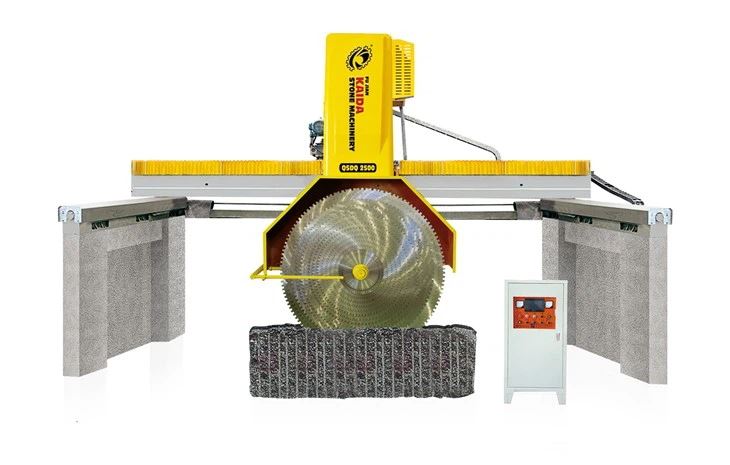
At our company, we offer a wide range of block cutting machines powered by different sources to meet the diverse needs of our customers. Our machines include the SDB Hydraulic Four-Cylinder Multi-Blades Stone Cutter, which is powered by a hydraulic system for high power and precision cutting. We also have the Monoblock Bridge Saw For Sale, an electric-powered machine suitable for indoor applications.
For heavy-duty cutting tasks, our Heavy Duty Granite Marble Block Cutting Machine is powered by a diesel engine to provide the necessary power and torque. And our 2026 Block Cutting Machine offers a reliable and efficient solution for various block cutting applications.

If you're interested in learning more about our block cutting machines and their power sources, please don't hesitate to [contact us] for more detailed information. Our team of experts is ready to help you choose the right machine for your specific needs and guide you through the purchasing process.
Conclusion
The power source of a block cutting machine plays a crucial role in its performance, efficiency, and suitability for different applications. Electric, hydraulic, and diesel power sources each have their own advantages and disadvantages, and the choice of power source depends on factors such as the application, operating environment, and budget. By understanding the characteristics of each power source and considering these factors, you can make an informed decision when selecting a block cutting machine that meets your needs.
References
- Engineering Handbook of Cutting Machinery
- Industry Standards for Stone Cutting Equipment