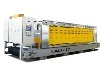
A new stone polishing machine should be checked carefully before it is put into regular production. Proper inspection helps confirm that the machine is installed correctly, the main components are operating as expected, and the polishing results meet the required standard.
For stone processors, machine performance is not only about whether the equipment can run. Spindle stability, polishing head movement, abrasive performance, processing speed, power consumption, and the final surface finish all have a direct impact on production efficiency and product quality. This guide explains the main points to check when commissioning a new stone polishing machine.
1. Carry Out a Pre-operation Inspection
Before switching on the machine, inspect its mechanical, electrical, and lubrication systems. A basic inspection at this stage can help identify installation problems or damaged components before they affect production.
Machine Structure and Appearance
Start by checking the overall condition of the machine. Inspect the frame, working table, machine housing, and other structural components for cracks, deformation, loose fasteners, or visible damage.
Pay particular attention to the machine frame and guide system. A rigid and properly assembled structure is important for maintaining stable movement during grinding and polishing. Also check that protective covers, guards, and other safety components are correctly installed before operation.
Electrical Connections
Check the main power supply and all electrical connections before starting the machine. Power cables should be properly connected and free from visible damage. Confirm that the grounding system is correctly installed and that the machine is connected to the required power supply.
Next, check the control panel, switches, sensors, emergency stop button, and other electrical controls. The machine should respond correctly to each control command. If any electrical component behaves abnormally during commissioning, the machine should be stopped and inspected before further operation.
Lubrication System
Moving components such as bearings, guide rails, gears, and chains require proper lubrication to operate smoothly. Check the lubrication system and make sure the lubricant level is sufficient.
For machines equipped with an automatic lubrication system, confirm that the lubrication pump and oil lines are working properly. The recommended lubricant type and maintenance interval should always follow the machine manufacturer's instructions.
2. Check the Mechanical Performance
Once the basic inspection is complete, run the machine without processing stone and observe the movement of its main mechanical components.
Check Spindle or Polishing Head Rotation
The spindle or polishing head should rotate steadily without unusual vibration, knocking, or abnormal noise. Pay attention to the machine during both startup and continuous operation.
Unstable rotation can affect the contact between the abrasive tool and the stone surface, which may result in uneven polishing or visible marks on the finished slab. If abnormal vibration is detected, check the spindle, tool holder, abrasive assembly, bearings, and other related components before continuing production.
Inspect Belt and Chain Tension
Some stone polishing machines use belts or chains to transmit power between different components. Check their tension and condition during commissioning.
If a belt or chain is too loose, slipping may occur and reduce transmission efficiency. Excessive tension, however, can increase the load on bearings, shafts, and other drive components. The correct tension should be adjusted according to the machine design and manufacturer's recommendations.


Test the Movement of the Polishing Head
Move the polishing head through its full working range and check whether the movement is smooth and consistent. Depending on the machine design, this may include vertical movement, horizontal travel, or movement along the working table.
There should be no obvious shaking, sticking, sudden stops, or excessive mechanical play. Accurate movement is particularly important for automatic polishing equipment because even a small positioning error can affect the consistency of the finished surface.
3. Evaluate the Polishing Results
Mechanical operation is only one part of the performance check. The most important test is how well the machine actually processes stone.
Run a Sample Polishing Test
Select a representative stone slab or sample for the initial test. The stone should be properly fixed and prepared before polishing.
After processing, inspect the surface for gloss, smoothness, uniformity, and visible polishing marks. Check whether the finish is consistent across the entire working area rather than evaluating only one small section.
When necessary, a gloss meter can be used to obtain a more objective measurement. The result should be evaluated according to the type of stone, abrasive tools, polishing sequence, and required surface finish.
Check Edge Polishing Performance
For equipment designed for edge processing, edge quality should also be included in the commissioning test. The machine should produce a consistent finish along the entire edge without excessive chipping, uneven grinding, or rough sections.
For example, a Stone Edge Bridge Grinding Polishing Machine should be checked for both grinding stability and edge finishing consistency before being put into regular production.
Test Different Stone Materials
Stone polishing conditions vary depending on the material being processed. Granite, marble, limestone, and other stones have different hardness, mineral composition, and surface characteristics.
If the machine is intended to process several types of stone, carry out separate tests with the main materials used in production. The appropriate abrasive sequence, feed speed, spindle speed, and polishing pressure may need to be adjusted according to the material.
For granite processing, for example, an Automatic High Efficiency Granite Polishing Machine should be able to maintain stable processing while producing the required surface gloss and finish.
4. Check Processing Efficiency
A polishing machine also needs to meet the expected production requirements. A machine that produces a good finish but operates too slowly may not be suitable for continuous industrial production.
Measure Polishing Speed
Record the time required to process a defined area or a complete stone piece. Compare the actual processing speed with the machine's rated performance and the production requirements.
Keep in mind that polishing speed depends on several factors, including stone hardness, abrasive type, polishing sequence, feed rate, spindle speed, and required surface finish. Therefore, the test should be carried out under defined and repeatable working conditions.
Monitor Power Consumption
Power consumption is another useful indicator during commissioning. Observe the electrical load while the machine is running under normal processing conditions.
An unusual increase in power consumption may be related to excessive mechanical resistance, an incorrect abrasive setup, overloaded motors, or other operating problems. Comparing the measured load with the machine's rated parameters can help identify potential issues at an early stage.
5. Check Safety and Operating Conditions
Safety functions should be tested before the machine enters regular production. Operators should also understand the correct operating procedures and emergency measures.
Test Safety Devices
Check the emergency stop buttons, protective guards, limit devices, overload protection, and other safety functions installed on the machine.
Each safety device should respond correctly during the test. Never bypass or disable a safety function in order to continue operation. If a safety component does not work as intended, the machine should not be placed into normal production until the problem has been corrected.
Observe Noise and Vibration
Listen to the machine during startup, idle running, and stone processing. A sudden increase in noise, unusual knocking, or abnormal vibration may indicate a problem with a bearing, spindle, drive system, tool assembly, or machine installation.
Rather than judging noise only by its volume, compare the machine's operating sound with its normal running condition. Any new or unusual sound should be investigated before it develops into a more serious mechanical problem.
6. Record the Initial Test Results
After commissioning, it is useful to record the main test results, including spindle operation, machine movement, polishing quality, processing speed, power load, and safety functions.
These records provide a useful reference for future maintenance and troubleshooting. They can also help operators identify changes in machine performance over time.
A properly conducted commissioning test gives stone processing companies a clearer understanding of the machine's actual working condition and helps ensure stable production from the beginning.
At KAIDA, we supply different types of stone processing equipment for grinding, polishing, cutting, and other applications. Our product range includes the Automatic Polishing Machine for Granite Stone, Stone Railing Grinder Machine, and Marble Floor Polisher Machine.
If you are selecting a polishing machine or need technical advice on machine commissioning and performance testing, feel free to contact us. We can recommend suitable equipment and configurations based on your stone material, product dimensions, finishing requirements, and production capacity.
References
- Stone processing machine manufacturer's operating and maintenance manuals
- Technical guidelines for stone grinding and polishing
- Industrial machinery inspection and commissioning practices