Stone Processing Tools: Professional Overview & Applications
In modern construction and decorative industries, stone processing tools play a critical role in efficiency, quality, and safety. This guide delves into the main categories of stone abrasives and their best practices.
1. Stone Cutting Machines
Types & Applications
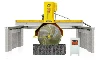
Handheld tools (e.g., angle grinders or cutoff saws): portable (500–2000 W), ideal for on-site, small-scale cuts
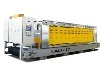
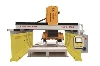
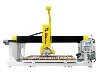
Bench/table saws: offer stability and precision for thick slabs and repetitive cuts.
Blade Selection
Choose diamond blades with appropriate bonding material-sintered, brazed, or laser-welded-for cutting hard stone, granite, or marble
2. Grinding Tools
Overview
Grinding is vital for shaping and leveling, with processes split into coarse and fine stages.
Grinding Wheels/Discs
Abrasives: aluminum oxide, silicon carbide for standard use; diamond or CBN for hard stone and precision
Bond types: vitrified (ceramic), resin, metal-each affecting heat tolerance and wear.
Operating Modes
Dry grinding: dustier, risk of heat damage.
Wet grinding: uses water/coolant to reduce heat and suppress dust
Dressing/Truing
Maintain wheel form and sharpness using diamond dressers and truing tools
Specialty Tools
Cup wheels for surface planing and coarse removal
Mounted points for detailed profiling and intricate surfaces.
3. Polishing Machines
Equipment Types
Handheld polishers: ideal for edges and localized areas.
Bench polishers with pads/discs: enable full-slab jobs for high gloss finishes .
Polishing Sequence
Gradually progress from coarse grits (e.g., 60–400 mesh) to ultra-fine compounds (diamond paste, cerium, or tin oxide) for mirror finishes.
4. Edge Trimming Machines
Machine Types
Handheld trim tools: flexible for on-site chamfering or shaping.
Bench-edge trim machines: deliver consistent, high-precision edge profiles.
Tools Used
Diamond-edge wheels craft clean and smooth bevels and fascias.
5. Abrasive Materials & Bonds
Abrasives
Conventional: aluminum oxide, silicon carbide
Superabrasives: diamond, CBN-necessary for hardest materials
Bond Types
Resin: flexible, ideal for polishing and high-speed tasks
Vitrified/ceramic: heat-resistant, precise
Metal bonds: used in heavy-duty grinding applications
6. Process Flow & Safety
Cutting/Forming → 2. Coarse Grinding → 3. Fine Grinding/Profiling → 4. Polishing → 5. Edge Finishing
Safety Measures
Always use ventilation, dust suppression systems, and personal protective equipment (PPE). Many standards, such as ANSI/ASSP Z9.6, emphasize controlling respirable crystalline silica .
⚙️ Summary Table
Stage Equipment Abrasive/Bond Types Function
Cutting Angle grinder, saw Diamond blades Precision cutting
Coarse Grinding Grinding wheels/cup Diamond, Al₂O₃, SiC + bonds Rapid material removal
Fine Grinding Mounted points Fine grit + resin/metal bond Surface prep
Polishing Polishers, pads Diamond paste, oxide compounds High-gloss finish
Edge Trimming Trim machines Diamond edge wheels Clean, precise edge profiles
Final Notes
Selecting the right combination of machine type, abrasive materials, bond compositions, and grit sizes ensures maximal efficiency, surface finish, and tool lifespan. This professional approach can significantly enhance outcomes in precision stone processing. Let me know if you'd like equipment specs, procurement advice.