Can a Stone Mining Machine Be Used for Mining Other Minerals?
Stone mining machines are mainly developed for quarrying natural stone such as granite, marble, and limestone. But can the same equipment be used for other minerals? The answer depends on the material, mining method, and production requirements.
Some stone mining machines can be adapted for certain non-metallic minerals, but they are not a universal replacement for equipment designed specifically for metal or ore mining.
What Are Stone Mining Machines Designed For?
Stone mining equipment is generally designed to extract large and relatively intact blocks from a quarry. The objective is not simply to break the rock, but to control the cutting process and preserve the quality and size of the material.
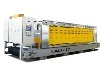
For example, a Wire Saw Stone Cutter uses a diamond wire to cut large stone blocks with controlled cutting lines. This method is widely used for granite, marble, and other natural stones where block size and surface quality are important.
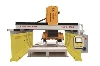
Other quarrying equipment, such as double-blade machines, drilling machines, and chain cutting machines, is selected according to the hardness, structure, and extraction method of the material.
Can These Machines Handle Other Minerals?
In some cases, yes. The key is the physical properties of the material.
Non-metallic minerals with suitable hardness and structure may be cut or extracted using equipment originally developed for stone quarrying. Minerals such as limestone, gypsum, talc, and graphite may be possible applications depending on the deposit and required production method.
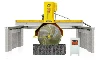
For example, limestone is already widely extracted using quarrying methods similar to those used for natural stone. A 2026 Double Blade Quarry Cutting Machine may be suitable when the deposit conditions and required cutting dimensions match the machine's capabilities.
However, this does not mean that every mineral deposit can be handled by a stone mining machine.
Why Material Properties Matter
Before selecting equipment, several characteristics of the target mineral should be evaluated:
- Hardness: Harder materials require suitable cutting tools, power, and cutting parameters.
- Abrasiveness: Highly abrasive materials can accelerate diamond tool wear and increase operating costs.
- Rock structure: Fractures, bedding planes, and inclusions can affect cutting stability and block recovery.
- Density: Material density influences cutting resistance and handling requirements.
- Mining objective: Quarrying large blocks is very different from crushing ore for mineral recovery.
For example, a Stone Quarry/Quarrying Cutting/DTH Drill/Diamond Wire Saw Machine is designed around the requirements of quarrying operations. Its tools and working parameters may need to be changed if the target material has significantly different characteristics.
Stone Quarrying vs. Metal Mining
The biggest limitation appears when comparing natural stone quarrying with metal ore mining.
In a stone quarry, the value is often in the block itself. The operator wants to obtain large blocks with as little damage as possible. In metal mining, the valuable material is usually contained within an ore body. The objective is to extract and process the ore to recover the target metal.
Because of this difference, metal mining normally requires a complete processing system that may include drilling, blasting, crushing, grinding, separation, and mineral recovery. A stone mining machine alone cannot replace this process.
For this reason, stone quarrying equipment is generally more suitable for non-metallic materials with extraction characteristics similar to natural stone.
Can a Wire Saw Be Adapted?
A wire saw is one of the more flexible options when the material can be cut rather than blasted or crushed.
A Stone Wire Saw For Sale can potentially be adapted for certain softer or structurally suitable mineral deposits. However, the diamond wire specification, cutting speed, tension, cooling system, and machine power may need to be adjusted.
Testing the material before purchasing or modifying equipment is therefore important. A cutting test can provide useful information about cutting speed, tool consumption, water requirements, and overall operating cost.


When Is Modification Necessary?
If a customer wants to use stone mining equipment for a different mineral, the machine may require some modifications.
Possible changes include the cutting tools, motor power, feed speed, wire tension, cooling system, or control parameters. The required modification depends on the characteristics of the material and the expected production capacity.
For this reason, it is better to evaluate the application before selecting a machine rather than simply choosing equipment based on its name or appearance.
What About Operating Cost?
Technical feasibility is only one part of the decision. Operating cost is equally important.
A machine may be able to cut a particular mineral, but excessive tool wear, low cutting speed, high energy consumption, or frequent maintenance can make the application uneconomical.
Before adapting a stone mining machine, customers should compare the expected production rate with tool consumption, electricity use, maintenance costs, and the value of the recovered material.
When Can Stone Mining Equipment Be a Good Option?
Stone mining equipment can be worth considering when:
- The target material can be mechanically cut.
- The material has suitable hardness and abrasiveness.
- The deposit has a structure that allows controlled cutting.
- Large blocks or sections need to be extracted rather than finely crushed.
- The machine can achieve an acceptable production cost after testing.
For applications with very different mining and recovery requirements, dedicated mining equipment is usually a better choice.
How We Evaluate Special Applications
As a stone mining machine manufacturer, we do not recommend using the same machine for every type of mineral. The right equipment depends on the material and the actual quarry conditions.
When customers have a special application, we can evaluate factors such as material hardness, block size, quarry structure, required cutting depth, production target, and available power and water supply. Based on these conditions, we can recommend a suitable machine or discuss possible modifications.
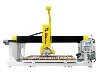
If you are looking for equipment for granite, marble, limestone, or another mineral material, you can also learn more about our Marble Quarry Wire Saw Machine and other quarrying solutions.
Conclusion
A stone mining machine can be used for certain other minerals, but its suitability depends on the material and the mining objective. Non-metallic minerals with similar cutting characteristics may be suitable for adapted quarrying equipment, while metal ores usually require specialized extraction and processing systems.
The safest approach is to evaluate the material first and carry out a cutting or field test when necessary. This helps determine whether existing stone mining equipment can meet the required production rate and operating cost.
If you have a mineral deposit that you are not sure can be cut with quarrying equipment, send us the material information, block or deposit dimensions, and your production requirements. Our engineering team can help you evaluate the most suitable solution.