Diamond Saw Blades for Stone Cutting: Factors That Affect Cutting Performance
Diamond saw blades are one of the most important consumable tools in stone processing. Even when a stone cutting machine has a strong structure and precise control system, the choice and condition of the diamond blade can directly affect cutting speed, edge quality, material waste, and operating costs.
For stone fabricators processing granite, marble, and other natural stones, understanding the factors that influence blade performance can help improve production efficiency and avoid unnecessary downtime.
The Relationship Between the Blade and the Stone Material
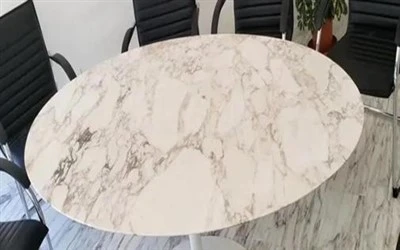
Different stones have different physical characteristics. Granite is generally harder and more abrasive than many types of marble, while different varieties of the same stone can also behave differently during cutting.
This means there is no single diamond blade specification that is ideal for every stone.
Before selecting a blade, stone processors should consider:
- Material type and hardness
- Stone structure and abrasiveness
- Block or slab dimensions
- Required cutting depth
- Cutting speed
- Desired edge quality
A blade designed for one type of stone may not deliver the same performance when used on another material.

Diamond Segment Composition Matters
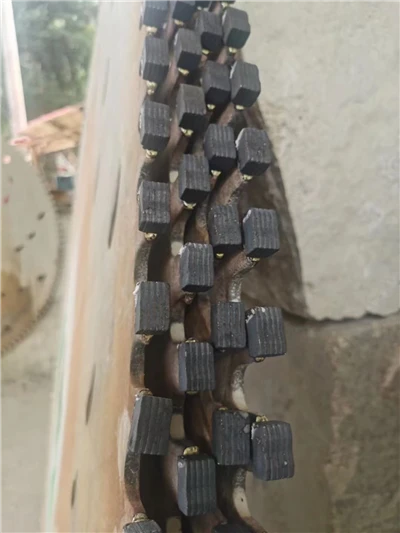
The cutting performance of a diamond blade depends heavily on its diamond segments.
The segments contain industrial diamonds embedded in a metal bond. During cutting, the bond gradually wears away and exposes new diamond particles, allowing the cutting process to continue.
The balance between diamond concentration, diamond quality, and bond characteristics affects how quickly the blade cuts and how long it can operate.
For example, a blade that is too hard for a particular stone may have difficulty exposing fresh diamond particles. A blade with an unsuitable bond may therefore cut less efficiently even when the diamond quality itself is good.
This is why blade selection should be matched to the actual stone being processed rather than based only on blade diameter or machine specifications.
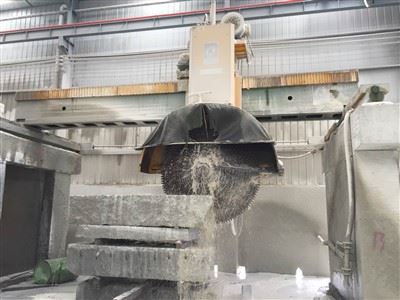
Cutting Speed and Machine Parameters
Blade performance is also closely connected to machine operating parameters.
Cutting too slowly may reduce productivity, while excessive cutting speed can increase mechanical load and accelerate blade wear. Feed speed, spindle speed, cutting depth, and the characteristics of the machine should therefore be considered together.
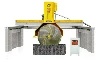
For large stone blocks, stable cutting conditions are especially important. A powerful block cutting machine can provide the mechanical force required for continuous processing, but the cutting parameters still need to match the blade and stone characteristics.
A well-balanced setup can help achieve a practical combination of:
Cutting Speed + Blade Life + Cutting Quality
rather than focusing on maximum cutting speed alone.
The Importance of Water Cooling
Water is commonly used during stone cutting to control heat and remove cutting debris.
During continuous cutting, friction between the diamond segments and stone generates heat. Insufficient cooling can increase thermal stress and may accelerate blade wear.
An effective water supply also helps flush away stone particles from the cutting area, keeping the blade working more efficiently.
For industrial stone cutting operations, the cooling system should provide sufficient and consistent water flow across the cutting zone.
Blade Wear and Cutting Quality
A diamond blade does not simply become ineffective once it has been used for a certain amount of time. Its performance changes gradually as the segments wear.
Operators should pay attention to changes such as:
- Increasing cutting resistance
- Reduced cutting speed
- Excessive vibration
- Poor edge quality
- Abnormal noise
- Uneven segment wear
These signs may indicate that the blade needs inspection, adjustment, dressing, or replacement.
Regular monitoring can prevent a small cutting problem from developing into a larger production issue.
Why Machine Stability Is Important
Blade performance cannot be considered separately from the stone cutting machine.
A high-quality blade installed on an unstable machine may still produce poor results. Vibration, inaccurate positioning, insufficient structural rigidity, or inconsistent movement can affect both cutting accuracy and blade life.
For this reason, professional stone processing equipment needs to provide stable mechanical movement and accurate control.
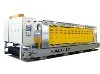
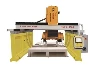
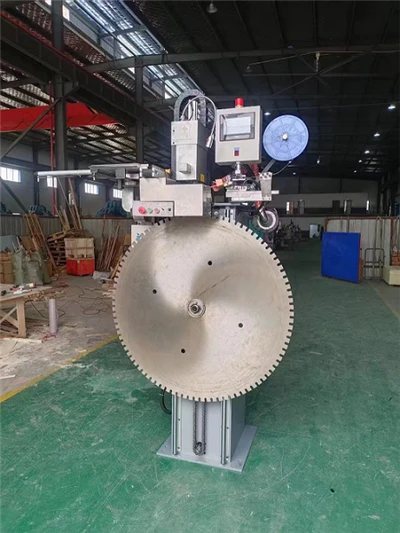
Bridge cutting machines are commonly used for precision slab processing, while block cutting machines are designed for the primary cutting of large stone blocks. Matching the machine type with the production task is an important part of building an efficient cutting system.
Reducing Cutting Costs Through Better Blade Management
Blade cost is only one part of the total cutting cost.
A more useful calculation considers:
Total Cutting Cost = Blade Consumption + Machine Time + Labor + Material Loss + Downtime
A blade with a lower purchase price may not necessarily be the most economical option if it has a short service life or requires frequent replacement.
Conversely, a higher-performance blade may provide better overall value when it delivers stable cutting speed, longer working life, and fewer interruptions.
Stone manufacturers should therefore evaluate blade performance based on actual production results rather than purchase price alone.
Matching Cutting Tools With Production Requirements
For stone factories, the ideal cutting solution depends on the production environment.
A workshop primarily producing kitchen countertops may have different requirements from a factory processing large granite blocks. Similarly, a company producing architectural stone components may prioritize profile accuracy and surface quality over maximum cutting speed.
Before selecting cutting equipment and consumables, manufacturers should evaluate:
- Daily production volume
- Main stone materials
- Maximum block or slab dimensions
- Required cutting accuracy
- Desired production speed
- Available cooling facilities
- Maintenance capabilities
A properly matched combination of machine, blade, cutting parameters, and cooling system can provide more stable production performance.
Building a More Reliable Stone Cutting Process
Efficient stone cutting is not determined by a single component. Machine structure, diamond blade selection, cutting parameters, cooling, operator experience, and maintenance all work together.
For stone processing companies, understanding these relationships can help reduce unexpected downtime, improve material utilization, and maintain consistent cutting quality.
KAIDA STONE MACHINERY has more than 20 years of experience in stone cutting machinery manufacturing, with product solutions including bridge cutting machines, block cutting machines, profile cutting machines, and related stone processing equipment. The company provides equipment for stone processing applications involving materials such as granite and marble.
For manufacturers planning to upgrade their stone processing line, selecting the right machine and configuring it according to the actual production requirements is an important step toward achieving stable long-term performance.