How Difficult Is It to Transport a Stone Cutting Machine? A Complete Guide for Safe Shipping
Transporting a stone cutting machine is an important consideration for stone processing companies, quarry operators, and machinery buyers. Unlike small tools or standard equipment, industrial stone cutting machines are usually large, heavy, and equipped with precision components that require professional handling during transportation.
As an experienced stone cutting machine supplier, we understand that safe delivery is just as important as machine quality. The difficulty of transporting a stone cutting machine depends on several factors, including machine size, weight, structure, destination, and transportation method. In this article, we will explain the main challenges and provide practical solutions for safe and efficient transportation.
Key Factors Affecting the Transportation of Stone Cutting Machines
The transportation process of stone cutting equipment requires careful planning. Different types of machines have different transportation requirements, especially when dealing with heavy-duty industrial models used for marble, granite, and other natural stone processing.
1. Machine Size and Weight
The size and weight of a stone cutting machine are the primary factors affecting transportation difficulty.
Small stone cutting equipment, such as the Granite Hand Cutting Machine, is relatively easy to move because of its compact structure and lower weight. These machines can usually be transported using standard vehicles without complex loading equipment.
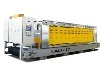
However, large industrial stone processing machines can weigh several tons and require professional lifting solutions. For example, equipment such as the Bridge Stone Line Edge Grinding Machine requires cranes, forklifts, and suitable transportation vehicles due to its large dimensions and heavy structure.
For oversized stone machinery, transportation may also require special permits and detailed route planning to avoid problems caused by road limitations.
2. Protection of Precision Components
Modern stone cutting machines are designed with advanced mechanical and electrical systems, including precision guide rails, motors, hydraulic components, control systems, and cutting assemblies.
During transportation, vibration, impact, and improper handling may affect machine accuracy or damage sensitive components. Therefore, professional packaging and fixing methods are essential.
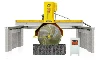
For example, machines like the Single Blade Type Cross Cutting Machine require special protection for the cutting blade and electrical system to prevent damage during long-distance transportation.
3. Shipping Destination and Transportation Conditions
The transportation difficulty also depends greatly on the final destination.
For international shipments, exporting stone cutting machines involves additional procedures, including export documentation, customs clearance, container loading, and international shipping arrangements.
For remote quarry locations or construction sites, transportation can become more challenging due to narrow roads, uneven terrain, or limited access for heavy vehicles. Proper route evaluation is necessary before shipment.
4. Choosing the Right Transportation Method
Different transportation methods are suitable for different types of stone machinery.
- Truck Transportation: The most common method for domestic delivery. It provides flexibility for factory pickup and direct delivery but requires suitable vehicles for heavy machinery.
- Sea Freight: The preferred option for international stone machinery shipments. Large stone cutting machines are usually transported in containers or open-top containers depending on their size and weight.
- Rail Transportation: Suitable for heavy industrial equipment transported over long distances, especially when road transportation is limited.
How to Ensure Safe Transportation of Stone Cutting Machines
Although transporting heavy stone processing equipment can be challenging, professional preparation can significantly reduce risks.
1. Professional Packaging and Machine Protection
Proper packaging is the first step to ensuring safe delivery.
Before shipment, stone cutting machines should be properly fixed and protected. Electrical cabinets, motors, precision components, and moving parts should be covered and secured to prevent damage caused by vibration or moisture.
At Kaida, each machine is carefully inspected before shipment and prepared according to international transportation requirements to ensure safe arrival at the customer's factory.
2. Professional Loading and Handling
Heavy stone machinery requires professional loading equipment such as cranes and forklifts. Incorrect lifting methods may damage the machine structure or affect future operating accuracy.
Experienced logistics teams understand how to position and secure equipment properly inside containers or on transportation platforms.
3. Detailed Transportation Planning
Before shipping, it is important to evaluate:
- Machine dimensions and total weight
- Container requirements
- Loading and unloading conditions
- Destination port or job site accessibility
- Local transportation regulations
A detailed transportation plan helps avoid unexpected delays and ensures smooth delivery.
Transportation Considerations for Different Stone Cutting Machines
Marble Cutting Machine
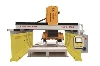
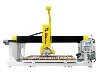
A Marble Cutting Machine usually features high-precision cutting systems. During transportation, the blade assembly, electrical components, and moving structures must be properly secured to maintain cutting accuracy.
Vertical Grinder Machine for Stone
The Vertical Grinder Machine For Stone has a tall structure and heavy components. Special attention should be given to lifting balance and fixing methods to prevent movement during transportation.
Why Choosing an Experienced Stone Machinery Supplier Matters
Selecting a reliable stone machinery supplier is not only about purchasing the machine. Transportation support, export experience, packaging quality, and after-sales service are also important factors.
An experienced manufacturer can provide professional guidance on machine preparation, loading methods, shipping solutions, and installation after delivery.
Conclusion
Transporting a stone cutting machine can be challenging due to its large size, heavy weight, and precision structure. However, with proper packaging, professional handling, and reliable logistics planning, these challenges can be effectively managed.
Whether you need a compact stone cutting machine or a large industrial stone processing system, working with an experienced stone machinery supplier can help ensure safe transportation and smooth installation.
If you are looking for reliable stone cutting equipment or need professional advice about machine transportation, please contact us. Our team is ready to provide suitable solutions for your stone processing requirements.
References
- Industry guidelines for heavy machinery transportation
- Best practices for industrial equipment packaging and shipping
- Stone processing equipment manufacturing standards