Optimizing workflow, reducing material waste, and maximizing machinery utilization for global stone manufacturers.
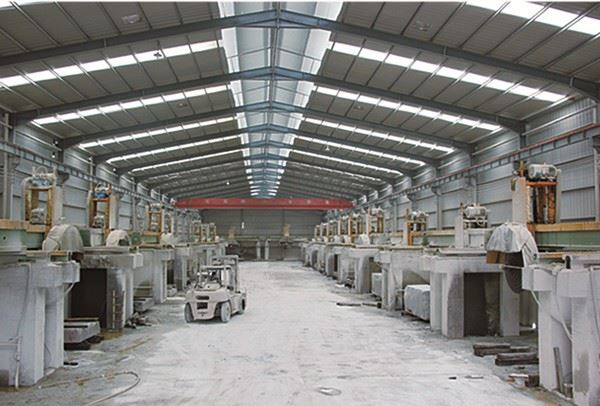
In modern stone processing factories, equipment performance is not the only factor that determines production efficiency. A well-organized production plan also plays an important role in improving output, reducing material waste, and ensuring stable product quality.
From raw stone blocks to finished slabs and customized stone products, every processing step requires proper scheduling and coordination. By combining efficient production planning with reliable stone machinery, factories can achieve higher productivity and better control over manufacturing costs.
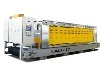
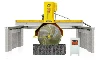
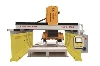
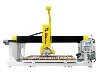
For manufacturers using bridge cutting machines, block cutting machines, and profile cutting machines, an effective workflow can maximize equipment utilization and improve overall competitiveness.
Understanding the Importance of Production Planning in Stone Processing
Stone processing involves multiple stages, including block cutting, slab cutting, edge shaping, surface finishing, inspection, and packaging. If these processes are not properly arranged, factories may experience:
- Machine downtime caused by poor scheduling
- Delays between different processing stages
- Increased material handling time
- Higher labor costs
- Unnecessary stone waste
A clear production plan helps factories coordinate manpower, materials, and machinery, ensuring that each stage operates smoothly.
Matching Production Requirements With the Right Stone Machinery
Different stone projects require different processing methods. Choosing suitable machinery based on production requirements is an important part of factory planning.
When machinery selection matches actual production needs, factories can avoid equipment limitations and improve processing efficiency.

Improving Machine Utilization Through Better Scheduling
Stone machinery represents a significant investment for processing factories. Maximizing machine working time is essential for achieving a better return on investment.
Production planning can help factories:
- Arrange continuous cutting operations
- Reduce unnecessary machine idle time
- Prepare materials before processing
- Schedule maintenance without affecting urgent orders
Reducing Material Waste Through Accurate Production Management
Natural stone is a valuable resource, and efficient material utilization directly affects profitability.
A detailed production plan allows factories to analyze:
- Block size and cutting direction
- Final product dimensions
- Required quantity for each project
- Possible material losses during processing
By combining accurate planning with high-precision cutting equipment, manufacturers can improve cutting yield and reduce unnecessary waste.
The Role of Automation in Modern Stone Factory Planning
Automation technology is changing the way stone factories manage production. Modern stone machines equipped with PLC control systems and digital operation functions can provide:
- More consistent processing results
- Easier parameter adjustment
- Reduced dependence on manual operation
- Improved production data management
For example, automated bridge cutting machines can help operators complete repeated cutting tasks with higher precision and efficiency.
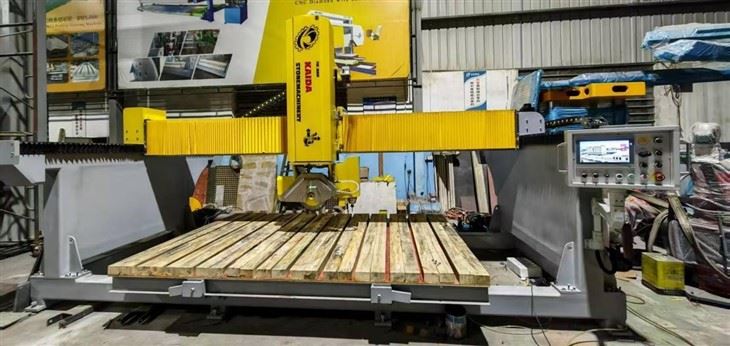
How KAIDA STONE MACHINERY Supports Efficient Stone Production
With more than 20 years of experience in stone machinery manufacturing, KAIDA STONE MACHINERY provides professional equipment solutions for global stone processing factories.
Located in Shuitou, Nan'an City, Fujian Province, China, KAIDA specializes in manufacturing bridge cutting machines, block cutting machines, profile cutting machines, and sewage processing equipment for stone applications.
Before supplying equipment, KAIDA evaluates customer requirements and provides customized system proposals according to factory space, operator conditions, and production needs. The engineering team also offers machine programming training, operation guidance, and maintenance support after delivery.
By combining suitable machinery with practical production planning, stone factories can achieve more stable production performance and long-term value.
Conclusion
Efficient stone processing depends on more than advanced machinery. A complete production plan helps factories organize workflow, reduce waste, improve equipment utilization, and maintain consistent quality.
For stone manufacturers, investing in reliable machines together with effective production management is a key step toward building a more efficient and competitive factory.