When a stone factory invests in new equipment, the machine itself is usually the main focus of attention.
Buyers compare cutting capacity, technical specifications, machine structure, and price before making a decision. However, after installation, another factor often determines whether the equipment can deliver its expected performance - operator experience.
A well-designed machine still requires proper operation, especially when it involves precision cutting, programming, and daily production adjustments.
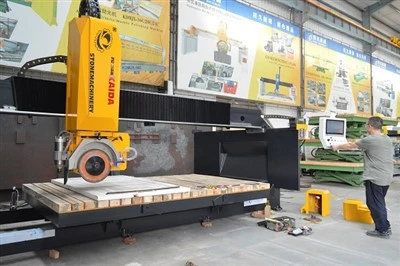
A Machine Is Only as Effective as Its Operation
Modern stone machinery has become increasingly advanced. CNC control systems, automatic positioning, and digital programming have improved cutting accuracy and production efficiency.
At the same time, these systems also require operators to understand how the machine works.
Incorrect settings or improper operation may lead to:
- Reduced cutting accuracy
- Unnecessary material waste
- Longer production time
- Increased wear on machine components
For this reason, operator training has become an important part of many equipment projects.

The First Days After Installation Are Critical
The period immediately after machine installation is often when operators build their first impression of the equipment.
During this stage, proper guidance can help workers understand:
- Basic machine functions
- Safe operating procedures
- Daily maintenance requirements
- Common troubleshooting methods
Without sufficient training, operators may only use the basic functions of a machine while overlooking features that could improve production efficiency.

Different Factories Have Different Operating Conditions
There is no single operation method that fits every stone factory.
A workshop processing granite blocks may have different requirements from a factory producing marble slabs or customized stone products.
Factors such as:
- Material type
- Production volume
- Workshop layout
- Operator experience
can all influence how equipment should be operated.
Experienced machinery suppliers usually consider these factors when providing technical guidance.
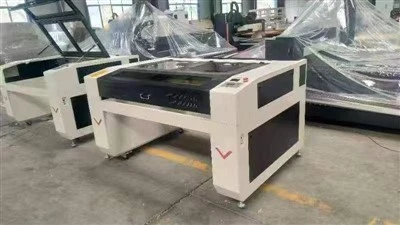
Remote Support Has Become More Valuable
For overseas customers, technical support after delivery is especially important.
When equipment is installed in another country, quick communication can reduce downtime and help solve problems more efficiently.
Remote assistance, video guidance, and technical communication have become practical solutions for international equipment service.
They allow suppliers and customers to work together even when they are thousands of kilometers apart.

Building Long-Term Value Beyond Equipment Supply
A successful machinery project is not only about delivering a machine to a customer's factory.
It also involves helping the customer use the equipment effectively over the long term.
Factories that invest in operator training and regular maintenance usually achieve more stable production because workers understand both the capabilities and limitations of their equipment.

KAIDA's Support for Global Stone Processors
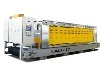
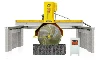
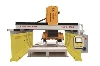
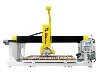
Fujian Kaida Stone Machinery has focused on stone machinery manufacturing for more than 20 years, supplying bridge cutting machines, block cutting machines, profile cutting machines, and sewage processing systems to customers in different markets.
Besides equipment manufacturing, KAIDA provides technical support, operation guidance, and remote assistance to help customers achieve stable machine performance after installation.
For international stone processors, reliable service is an important part of a successful machinery investment.

Conclusion
As stone processing equipment becomes more advanced, operator knowledge becomes increasingly important.
The difference between owning a machine and achieving good production results often depends on how well the equipment is understood and maintained.
For modern stone factories, training and technical support are not additional services - they are part of the overall value of a machinery solution.