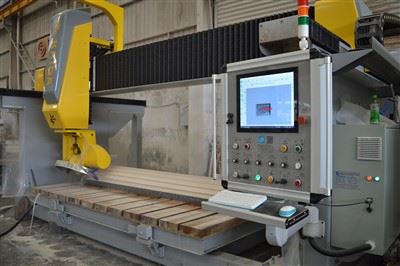
 When investing in stone processing equipment, purchase price is often one of the first factors considered. For many factories, especially those planning expansion, controlling the initial investment is an important part of decision-making.
However, after years of operation, many manufacturers discover that the real cost of a machine is not only reflected in the price paid at the beginning. Maintenance frequency, energy consumption, production stability, and service support all influence the total operating cost.

The Lowest Price Does Not Always Mean the Lowest Cost
In competitive markets, equipment suppliers often compete through pricing. A lower purchase price can appear attractive, especially when several machines seem similar in function.
However, two machines with similar specifications may perform differently after several years of daily operation.
Factors such as structural design, component quality, control systems, and manufacturing standards can affect:
Machine stability
Maintenance requirements
Production downtime
Final processing quality
For stone factories, unexpected downtime can sometimes create higher losses than the original equipment investment difference.

Production Stability Is a Long-Term Consideration
Stone processing is usually a continuous operation. Once production schedules are established, equipment reliability becomes extremely important.
A machine that maintains stable performance during long working hours allows factories to plan production more accurately.
On the other hand, frequent adjustments or unexpected repairs can affect:
Delivery schedules
Labor efficiency
Material utilization
Customer satisfaction
This is particularly important for factories producing customized stone products for overseas projects.
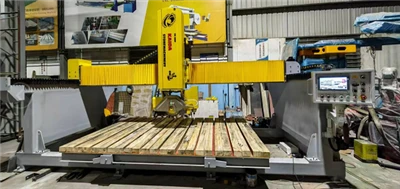
Energy Efficiency and Maintenance Expenses Add Up
Operating costs are accumulated over time.
Power consumption, replacement parts, lubrication, and routine maintenance may seem like small expenses during daily production. However, over several years, these costs become a significant part of factory management.
Equipment designed for industrial use should not only complete the cutting process but also maintain reasonable operating efficiency throughout its service life.
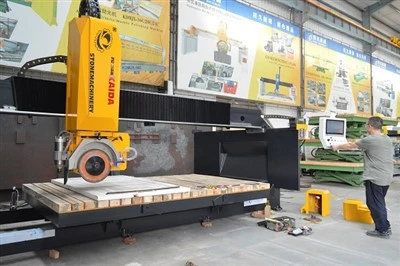
Technical Support Matters After Installation
For international customers, equipment purchasing does not end when the machine arrives at the factory.
Installation guidance, operator training, troubleshooting support, and spare parts availability all influence the actual experience of using the equipment.
A reliable supplier helps customers reduce the uncertainty that comes with operating large machinery in different working environments.

Experience from Stone Processing Regions
In major stone production areas, many factory owners have gradually changed their purchasing approach.
Instead of focusing only on machine specifications or initial quotations, they pay more attention to the overall value that equipment can provide during years of operation.
This includes how easily the machine fits into existing production processes and whether technical support is available when needed.

KAIDA's Focus on Practical Equipment Solutions
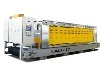
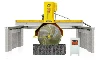
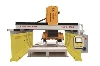
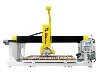
Fujian Kaida Stone Machinery has been involved in stone machinery manufacturing for more than 20 years, supplying equipment such as bridge cutting machines, block cutting machines, profile cutting machines, and sewage processing systems.
Based on experience with different stone processing applications, KAIDA focuses on developing equipment that meets practical production requirements, including cutting accuracy, operational stability, and long-term usability.
For overseas customers, reliable machinery is not only about completing today's orders but also supporting future production growth.

Making Equipment Decisions with a Long-Term View
Choosing stone machinery is a decision that affects daily production for many years.
While the initial investment remains important, factors such as reliability, maintenance, service support, and production efficiency should also be considered.
For stone factories looking to improve their operations, selecting equipment with long-term value can be a more effective approach than simply choosing the lowest initial cost.