For many years, stone processing discussions were mainly focused on cutting speed, machine performance, and production capacity.
However, as environmental requirements become stricter and operating costs continue to increase, another topic is receiving more attention from stone manufacturers around the world - how to manage the large amount of wastewater generated during production.
Today, water management is no longer only an environmental issue. It has become part of factory efficiency and long-term cost control.
Water Consumption Has Always Been a Challenge in Stone Processing
Stone cutting and polishing processes require a continuous supply of water.
During operations such as granite cutting, marble processing, and surface finishing, water is used to cool cutting tools, reduce dust, and improve processing quality. At the same time, large amounts of stone powder and suspended particles are produced.
Without proper treatment, this wastewater cannot simply be discharged. It needs to be collected, processed, and reused or safely handled according to local requirements.

The Cost of Poor Wastewater Management
Some factories focus heavily on production equipment but underestimate the impact of wastewater handling.
In daily operation, inefficient water management can create several problems:
- Increased water consumption
- Higher waste disposal costs
- More frequent cleaning requirements
- Production interruptions caused by poor drainage systems
For factories running multiple cutting machines, these issues can gradually become a significant part of operating expenses.

Recycling Water Helps Improve Factory Efficiency
Modern stone factories are increasingly looking at wastewater treatment from a practical perspective.
A well-designed water recycling system can help factories reduce fresh water consumption by separating solid particles from used water and allowing cleaner water to return to production processes.
This creates a more controlled working environment and reduces dependence on external water resources.
The goal is not simply to meet environmental requirements, but also to make daily production more stable.

Sludge Separation Is an Important Part of the Process
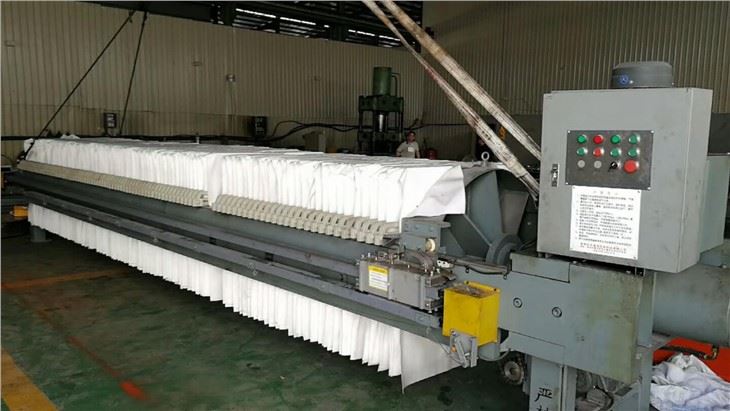
One of the main challenges in stone wastewater treatment is handling the fine stone powder contained in the water.
During cutting and grinding, extremely small particles are produced. If these particles are not effectively separated, they can affect equipment operation and reduce recycling efficiency.
Professional sewage processing equipment helps separate solid waste from water, making it easier for factories to manage both resources.

Environmental Standards Are Influencing Equipment Decisions
In international markets, environmental requirements are becoming an increasingly important factor when factories upgrade their production systems.
Many buyers now consider not only:
- Cutting capacity
- Machine accuracy
- Energy consumption
but also:
- Waste management solutions
- Water recycling capability
- Long-term operating costs
This change is especially noticeable among companies supplying stone products for large construction and architectural projects.

KAIDA's Experience in Stone Processing Solutions
Fujian Kaida Stone Machinery has been dedicated to stone machinery development for more than 20 years, providing equipment including bridge cutting machines, block cutting machines, profile cutting machines, and sewage processing systems.
With experience serving stone processors in different markets, KAIDA understands that modern stone production requires more than cutting equipment alone.
A complete production environment includes reliable machinery, efficient workflow planning, and practical solutions for handling production waste.

Looking Ahead
The stone industry is continuing to move toward cleaner and more efficient production methods.
For factories planning new workshops or upgrading existing facilities, wastewater management is becoming an important part of the overall investment decision.
As environmental expectations continue to rise, companies that improve water management today will be better prepared for future production challenges.